About

dd11e72c984e1d1f7700e4eab30e577c

Dear Colleagues,

It is with great honor that we invite you to the World Heart Failure Society 2026 Congress, which will be held in the historical and cultural capital of Baku, Azerbaijan, on October 23–25, 2026. This event is designed to share the latest scientific advancements, innovations, and guidelines in the field of heart failure.

Congress Theme: Shaping the Future of Heart Failure Care

The two-day summit will focus squarely on groundbreaking scientific and technological breakthroughs that are redefining the boundaries of heart failure treatment and fundamentally transforming patient care. The rich program content, spanning from basic science to advanced clinical practice, is further enhanced by compelling symposia and deep-dive Clinical Case Management sessions.

Key Topics and Focus Areas

Our Congress will build upon the progress established by recently published clinical trials and guidelines, focusing intensely on the following critical areas:

  • Heart failure prevalence by country and outcomes from national clinical studies.
  • Co-morbidities:
    • Obesity and Heart Failure
    • Chronic Kidney Disease and Heart Failure
    • Cardiometabolic Diseases and the impact of novel drug classes such as GLP-1 receptor agonists
    • Cardiorenal Syndromes and integrated management strategies
    • Diabetes and Heart Failure
    • Iron Deficiency and Anemia and the role of intravenous iron therapy
  • Novel Pharmacotherapy and Guideline-Directed Medical Therapy (GDMT)
  • Management of Advanced Heart Failure and Specific Cardiomyopathies
  • Revascularization strategies including CABG in heart failure patients
  • Approaches to Refractory Heart Failure and advanced decongestion strategies
  • Genetic testing and targeted therapies for conditions such as Cardiac Amyloidosis and Hypertrophic Cardiomyopathy
  • Biomarkers and inflammatory indicators in HFpEF pathogenesis
  • Arrhythmias and Heart Failure:
    • Electrophysiology and interventional cardiology approaches
    • Latest guidelines for atrial fibrillation and ventricular arrhythmias
  • Management of Valvular Heart Disease in the context of heart failure
  • Integrated use of ECHO, CMR, CCT, and Nuclear Imaging
  • Electrophysiology and Device Therapy:
    • Patient selection and optimization for Cardiac Resynchronization Therapy (CRT)
    • Indications and innovations in Implantable Cardioverter Defibrillators (ICD)
    • Novel pacing modalities including His and Left Bundle Branch pacing
  • Antihypertensive therapies in HFpEF:
    • Role of SGLT2 inhibitors, ARNI, and mineralocorticoid receptor antagonists
  • Patient Education and Self-Management Programs to improve adherence and quality of life
  • Current status of anticoagulation and antiplatelet therapies in heart failure

Sincerely,

Prof. Dr. Mehdi Zoghi
President

Prof. Dr. Babak Sharif-Kashani
General Secretary

Presidents of Local Organization Committee

Prof. Dr. Gülnaz Dadaşova
Prof. Dr. Reşad Mahmudov
Prof. Dr. Kamran Musayev

Join The Conference
Before Registration Closed

Days
Hours
Minutes
Seconds

EVENT LECTORS

From Around The Globe
Sharing Experience

willem j

Prof. Dr. Wıllem J. Remme

Netherlands

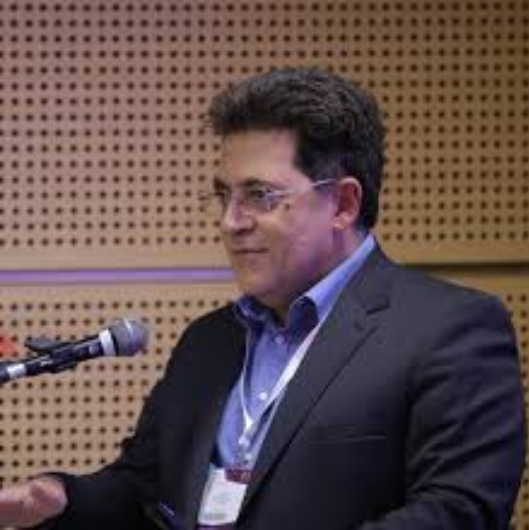
dd11e72c984e1d1f7700e4eab30e577c

Prof. Dr. Mehdi Zoghi

Türkiye

babaksharif

Prof. Dr. Babak Sharıf-Kashanı

IRAN

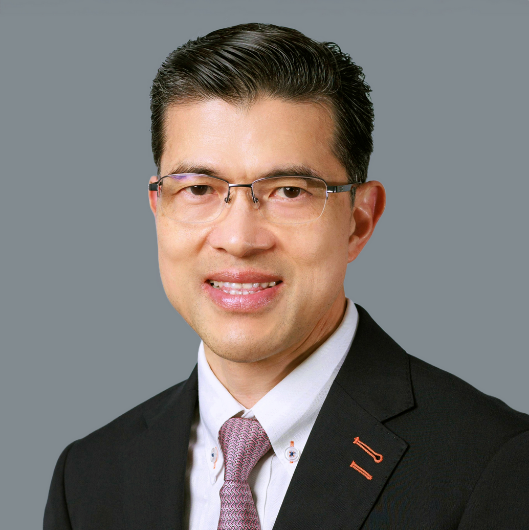
cheukman1

Prof. Dr. Cheuk Man Yu

Hong Kong

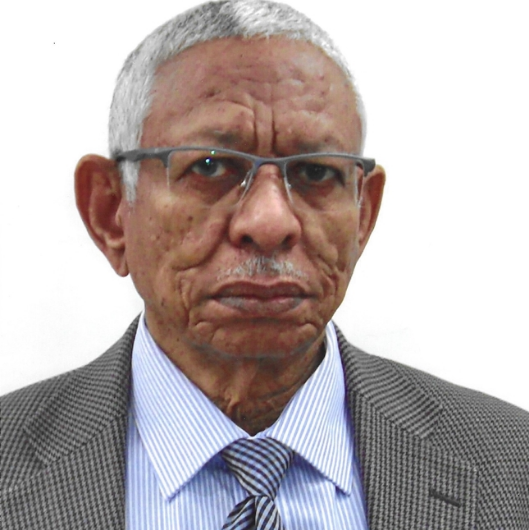
profsiddiq

Prof. Dr. Sıddıq Ibrahım Khalıl

SUDAN
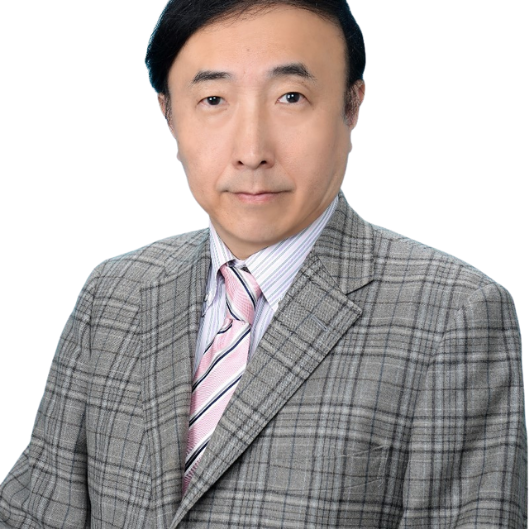
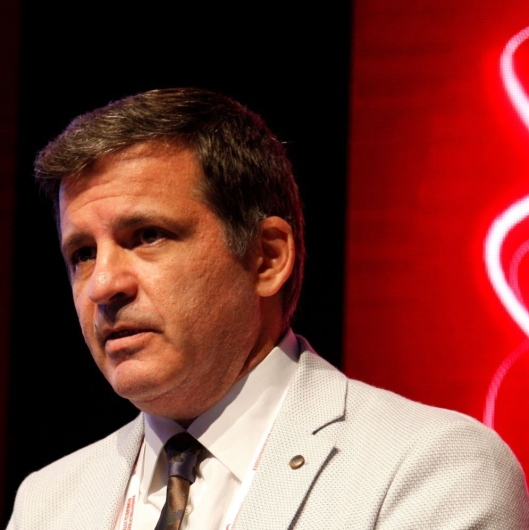
profkoji

Prof. Dr. Kojı Hasegawa

Japan

Lecturers will be announced in the coming weeks.

TIME TABLE

Event Schedule

09:30 – 10:30: Global Epidemiology and Clinical Trials

Chairpersons:

Willem J. Remme (NL), Dr. B&H


Europe, America

Irena Mitevska (MK)

Heart failure burden in Asia and Middle East countries

  • Babak Sherif-Kashani (IR)

Generating Important Insights into the Spectrum and Outcomes of Acute Heart Failure

Across the African Continent: The Results of THESUS-HF II

  • Albertino Damasceno (MZ)


Learning Objectives:

Analyze global heart failure trends with a specific focus on the burden in Asia, Middle East,

and African populations; interpret key results from the THESUS-HF II registry; and address regional disparities in

clinical outcomes and research.

09:30 – 10:30: Decongestion and Cardio-Renal Metabolic Syndrome

Chairpersons:

Koji Hasegawa (JP), Azer Melikov (AZ)


 Optimal sodium and fluid restriction in heart failure patients with chronic kidney

disease

  • Gulana Ağayeva (AZ)

The role of vasopressin antagonists and fluid management in hypervolemic

hyponatremia

  • Gulnaz Dadaşova (AZ)

Approaches cardio-renal-metabolic benefits of SGLT2 inhibitors in HFrEF

  • Cheuk Man Yu (Online)

Learning Objectives:

Learning Objectives: Critically evaluate sodium and fluid restriction evidence in CKD patients;

manage hypervolemic hyponatremia using vasopressin antagonists; and integrate the cardio-

renal-metabolic benefits of SGLT2i into HFrEF care.

10:30 – 11:00: Coffee Break

Coffee Break

11:00 – 12:00: Non-Pharmacological Advances in Chronic Heart Failure: 2026 Updates

Chairpersons:

Khurshıd Fozilov (UZ), Archil Chukhrukidze (GE)


Metabolic optimization & micronutrient supplementation

******

Cardiac rehabilitation & precision exercise prescriptions

  • Dr. Anna Vachulová (SK)

AI-Integrated telemonitoring & remote patient management

*******


Learning Objectives:

Identify current (2026) non-pharmacological advances in chronic heart

failure management, explain the clinical rationale and evidence for metabolic optimization

and micronutrient supplementation, apply principles of cardiac rehabilitation and precision

exercise prescription tailored to individual patient profiles, and assess the role of AI-

integrated telemonitoring and remote patient management in improving early detection,

personalized care, and long-term outcomes in chronic heart failure.

12:00 – 13:00: Challenging Cases and Difficult Decisions: Managing Complex Heart Failure

Chairpersons:

Willem J Remme (NL), Mehdi Zoghi (TR)


 Case 1: RAAS inhibition under hyperkalemia and renal dysfunction

*****

 Case 2: Right heart failure and advanced mitral/tricuspid regurgitation

  • Şefa Şahbazova (AZ)

Case 3: Refractory congestion and diuretic resistance (Cardiorenal Syndrome)

*****


Learning Objectives:

At the conclusion of this session, participants will be able to identify

current (2026) non-pharmacological advances in chronic heart failure management,

explain the clinical rationale and evidence for metabolic optimization and micronutrient

supplementation, apply principles of cardiac rehabilitation and precision exercise

prescription tailored to individual patient profiles, and assess the role of AI-integrated

telemonitoring and remote patient management in improving early detection, personalized

care, and long-term outcomes in chronic heart failure

13:00 – 14:00: Lunch Break

Lunch Break

14:00 – 15:00: The Current Status of "Old Friends" in Heart Failure Management

Chairpersons:

Yury Belenkov (RU), Babak Sherif-Kashani (IR)


 Beta-Blockers in HFpEF: Is Chronotropic Incompetence More Crucial Than Rate

Control?

  • Jemil Babayev Akif (AZ)

 Statins in Heart Failure: Pleiotropic benefits versus the “Statin Paradox” in advanced

stages.

  • Rahima Gabulova (AZ)

 Digoxin: A relic of the past or an essential tool for symptom and hospitalization

management?

  • Emin Allahverdiyev (AZ)

Learning Objectives:

At the conclusion of this session, participants will be able to evaluate

the evolving role of traditional heart failure medications in the era of foundational

quadruple therapy, analyze the clinical evidence for maintaining or adjusting beta-blocker

and statin dosages in various heart failure phenotypes, determine the appropriate clinical

scenarios for the continued use of digoxin for refractory symptoms, and integrate classical

pharmacological principles with modern digital monitoring tools to optimize long-term

patient safety and therapy adherence.

15:00 – 15:30: Coffee Break

Coffee Break

15:30 – 16:30: The Bermuda Triangle in Heart Failure: Evidence, Uncertainty, and Clinical Reality

Chairpersons:

Altay Quliyev (AZ), Isakh Mustafayev (AZ)


 Heart Failure Guidelines in 2026: What is clear, what is controversial?

  • Babak Sherif-Kashani (IR)

Advanced heart Ffilure and vulnerable populations: The grey zones of care

  • Yury Belenkov (RU)

The failing heart and its partners: Cardio–Renal, Cardio–Metabolic, and Multi-Organ

Interactions

  • Cengiz Şabanoğlu (TR)

Learning Objectives:

Assess the 2026 heart failure guideline recommendations and

distinguish areas of clear evidence from ongoing controversy, recognize the challenges of

managing advanced heart failure and vulnerable patient populations in real-world practice,

and understand how heart–organ interactions—particularly cardio–renal and cardio–

metabolic syndromes—impact prognosis, treatment selection, and personalized care

strategies beyond standard guideline-based approaches

16:30 – 17:30: Advanced HF Specific Cardiomyopathies and Revascularization in Heart Failure

Chairpersons:

Kamran Musayev (AZ), Firdovsi İbrahimov (AZ)


 Management strategies for acute decompensated advanced HF

  •  Yalçın Velibey (TR)

Ischemic Cardiomyopathy: GDMT alone or in combination with revascularization?

  • Reşad Mahmudov (AZ)

Learning Objectives:

Formulate management protocols for acute decompensated advanced

heart failure; and compare the benefits of revascularization versus GDMT alone in ischemic

cardiomyopathy.

08:30 – 09:30: Global Epidemiology and Clinical Trials

Chairpersons:

Willem J Remme (NL), Begenç Annayev (TM), Gülnaz Dadaşova (AZ)


 Europe, America

  •  Mehdi Zoghi (TR)

 Heart failure burden in Asia and Middle East countries

  • Babak Sherif-Kashani (IR)

 Generating Important Insights into the Spectrum and Outcomes of Acute Heart

Failure Across the African Continent: The Results of THESUS-HF II

  • Albertino Damasceno (MZ)

Learning Objectives: Analyze global heart failure trends with a specific focus on the burden

in Asia, Middle East, and African populations; interpret key results from the THESUS-HF II

registry; and address regional disparities in clinical outcomes and research.

09:30 – 10:30: Guideline-Directed Medical Therapy (GDMT)

Chairpersons:

Kemal Erol (TR), Sekib Sokolovic (BA)


 Optimizing the “Fantastic Four”: ARNI, Beta-blockers, MRA, and SGLT2i

  •  Berkay Ekici (TR)

 Beyond quadruple therapy: the potential roles for ivabradine, vericiguat, and

omecamtiv mecarbil

  • Sinem Çakal (TR)

 Diuretic resistance and advanced decongestion strategies

  • Janna Cazacu (MK)

Learning Objectives: Optimize the initiation and titration of the “Fantastic Four” (ARNI,

Beta-blockers, MRA, SGLT2i); evaluate the secondary roles of ivabradine, vericiguat, and

omecamtiv mecarbil; and implement advanced decongestion strategies for diuretic

resistance

10:30 – 11:00: Coffee Break

Coffee Break

11:00 – 12:00: Comorbidities & Heart Failure-1

Chairpersons:

Albertino Damasceno (MZ), Petar Seferovic (RS)


Thyrotoxic heart failure

  • Siddiq Khali (SD)

Diabetic cardiomyopathy: Diagnosis, management, and future directions

  • Mauro Gori (IT) (Online)

HCM and Amyloidosis

  •  Günay Hətəmova (AZ)

Learning Objectives: Manage thyrotoxic heart failure; diagnose and treat diabetic

cardiomyopathy; and differentiate between Hypertrophic Cardiomyopathy (HCM) and

Cardiac Amyloidosis in clinical practice.

12:00 – 13:00: Comorbidities & Heart Failure-2

Chairpersons:

Erkin Mirrakhimov (KZ), Mahmut Şahin (TR), Farid Aliyev (AZ)


 The role of intravenous iron replacement: Latest trials and meta-analyses

  • Lamija Ferhatbegović (BA)

 The complex interrelationship between the heart and kidney (Type 1-4 CRS)

  • Petar Seferovic (RS)

Latest guidelines for anticoagulation in patients with co-existing HF and Atrial

Fibrillation

  • Shahana Alasgarli (AZ)

Learning Objectives:

Evaluate the latest evidence for intravenous iron replacement therapy;

understand the classification and management of Type 1-4 Cardiorenal Syndromes; and

apply current guidelines for anticoagulation in patients with co-existing AF and HF.

13:00 – 14:00: Lunch Break

Lunch Break

14:00 – 15:00: HFpEF Treatment: Antihypertensives and Novel Agents

Chairpersons:

Oktay Ergene (TR), Babak Sherif-Kashani (IR)


 Current status and evidence for SGLT2i in HFpEF

  • Koji Hasegawa (JP)

 Anti-Obesity medications in HFpEF

  • Ümit Yaşar Sinan (TR)

 Lipid-Lowering therapy and clinical outcomes in patients with HFpEF

  • Ilaha Agayeva (AZ)

Learning Objectives:

Assess the clinical evidence for SGLT2i and anti-obesity medications in

HFpEF; and devise personalized treatment approaches for managing resistant hypertension

within the HFpEF phenotype.

15:00 – 16:00: Biomarkers, Imaging, CRT and Pacing Modalities

Chairpersons:

Altay Quliyev (AZ), Isakh Mustafayev (AZ), Mehdi Zoghi (TR)


 Role of echocardiography and strain imaging in heart failure

  • Shafag Mustayeva (AZ)

The low grade chronic inflammation in Heart Failure: Mechanisms, consequences, and

therapeutic targets

  • Sekib Sokolovic (BA)

Speaker 3: Novel pacing modalities: His/Left Bundle Branch pacing and their effects

on HF

  • Farid Aliyev (AZ)

Learning Objectives:

Utilize advanced echocardiography and strain imaging for HF

assessment; analyze the mechanisms of chronic low-grade inflammation; and evaluate the

clinical impact of His-bundle and Left Bundle Branch pacing.

16:00 – 16:30: Coffee Break

Coffee Break

16:30 – 17:30: Advanced HF Specific Cardiomyopathies and Revascularization in Heart Failure

Chairpersons:

Kamran Musayev (AZ), Firdovsi İbrahimov (AZ)


 Management strategies for acute decompensated advanced HF

  •  Yalçın Velibey (TR)

Ischemic Cardiomyopathy: GDMT alone or in combination with revascularization?

  • Reşad Mahmudov (AZ)

Learning Objectives:

Formulate management protocols for acute decompensated advanced

heart failure; and compare the benefits of revascularization versus GDMT alone in ischemic

cardiomyopathy.

Official Accommodation Partner

baku

Please reach out to us if you have any questions or would like to make a booking.

MEDKOM CONGRESS CONTACT

Pınar Koşoğlu
pinar.kosoglu@medkomforte.com
Tel: +90 532 483 75 05

Olgun Yılmaz
olgun.yilmaz@medkomforte.com
Tel: +90 533 953 49 18
Scroll to Top